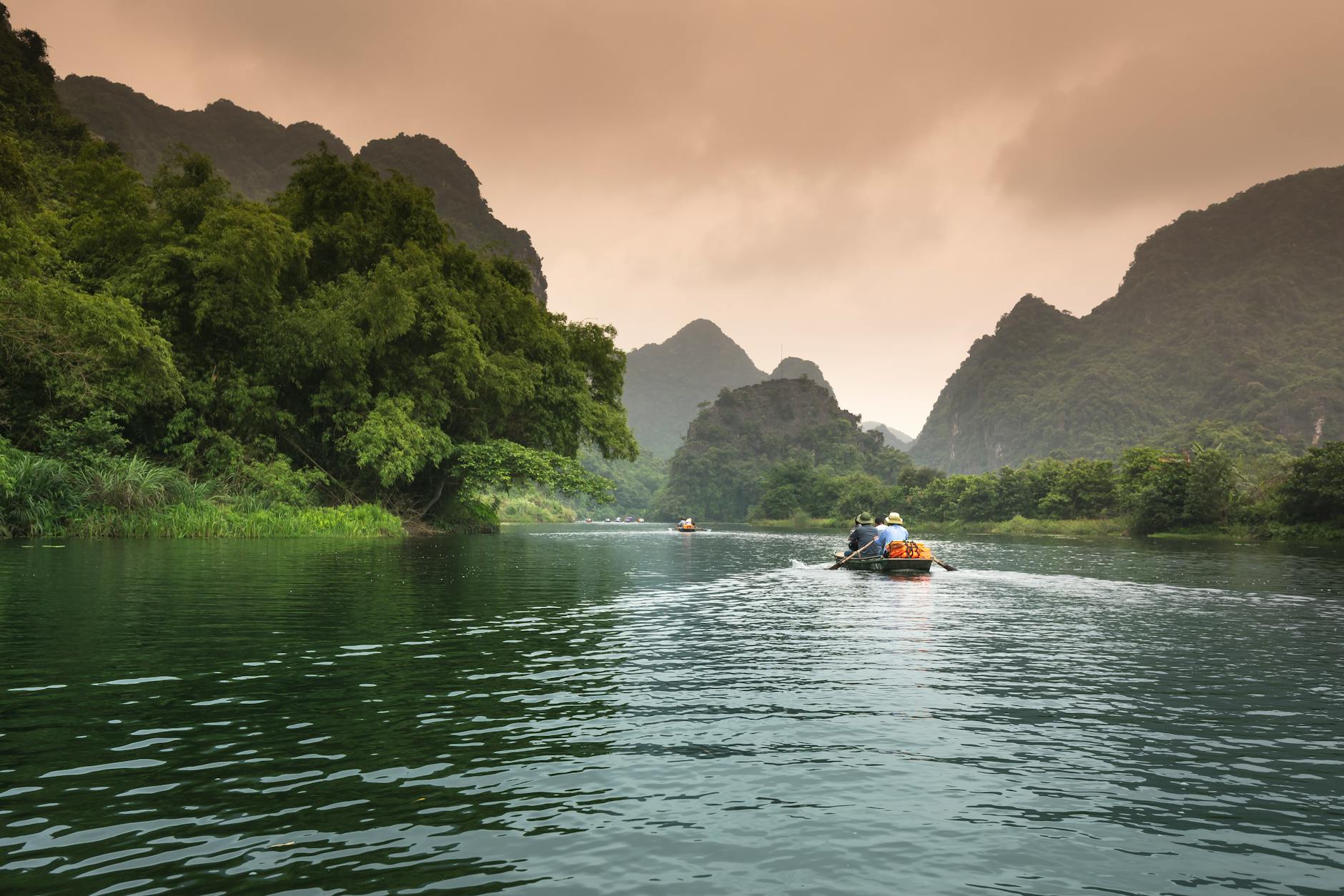
Thailand Travel Guide : Imagine waking up to the sound of waves gently lapping against pristine white sand beaches, exploring ancient golden temples that shimmer in the tropical sun, and savoring the explosive flavors of authentic pad thai from a bustling street food stall. Welcome to Thailand—a destination that captivates millions of travelers annually with its perfect blend of natural beauty, rich culture, and warm hospitality. This comprehensive Thailand travel guide will unlock the secrets of one of Southeast Asia’s most enchanting countries, whether you’re a first-time visitor dreaming of tropical paradise or a returning traveler seeking hidden gems beyond the tourist trail. From the electrifying streets of Bangkok to the tranquil mountains of Chiang Mai, from party-filled islands to serene Buddhist retreats, Thailand offers something extraordinary for every type of traveler.
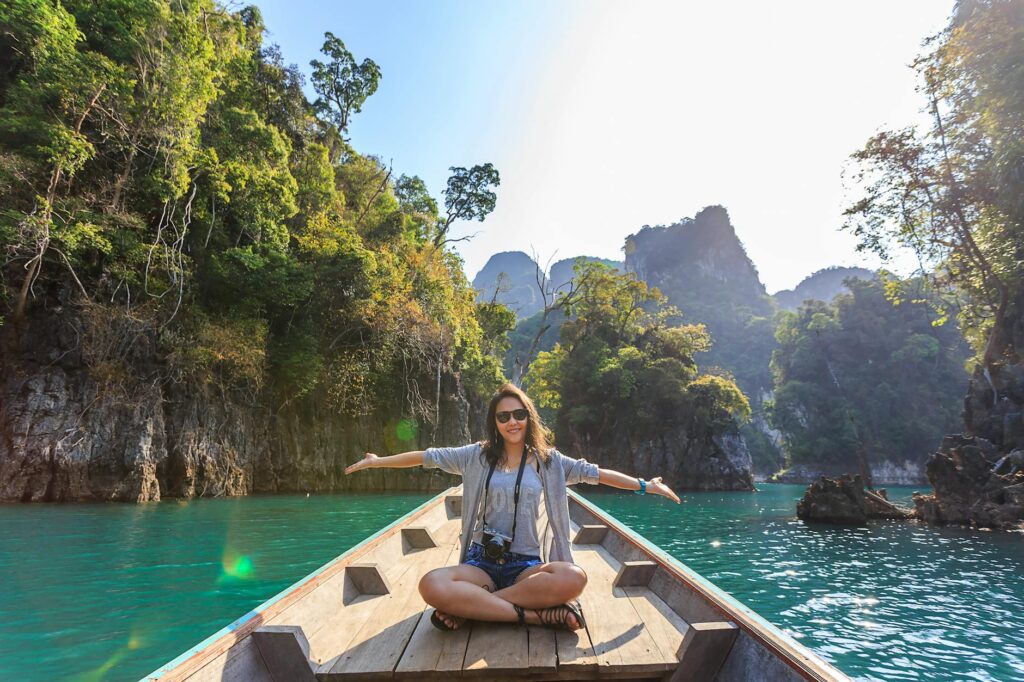
Why Thailand Remains the Crown Jewel of Southeast Asia Travel
Thailand isn’t just a destination—it’s an experience that awakens all your senses and touches your soul. Known affectionately as the “Land of Smiles,” this Southeast Asian gem has perfected the art of balancing modernity with tradition, adventure with relaxation, and affordability with luxury. What makes Thailand truly special is its incredible diversity packed into one accessible country. Within a single trip, you can explore futuristic cities, trek through pristine jungles, dive into crystal-clear waters, learn ancient meditation techniques, and party until sunrise—all while being treated to legendary Thai hospitality.
The numbers speak for themselves: Thailand welcomes over 40 million international visitors annually, yet it never feels overcrowded thanks to its vast array of destinations. Whether your budget is backpacker-friendly or five-star luxurious, whether you’re traveling solo, with family, or as a couple, Thailand accommodates every style with grace and efficiency. The country’s well-developed tourism infrastructure, affordable prices, delicious cuisine, and genuinely friendly locals create an irresistible combination that keeps travelers returning year after year.
Bangkok: Where Ancient Traditions Meet Urban Innovation
Your Thailand adventure likely begins in Bangkok, the pulsating capital that never sleeps and never fails to amaze. This sprawling metropolis of over 10 million people somehow manages to blend ornate temples with gleaming skyscrapers, traditional markets with ultra-modern shopping malls, and tuk-tuks with elevated sky trains. Bangkok is chaotic and calm, ancient and futuristic, overwhelming and welcoming—often all at the same time.
Start your Bangkok exploration at the Grand Palace, the breathtaking former royal residence that houses the revered Emerald Buddha. The intricate architecture, golden spires, and detailed murals depicting Buddhist cosmology will leave you speechless. Nearby, Wat Pho temple showcases the magnificent 46-meter-long reclining Buddha covered in gold leaf, while also serving as Thailand’s leading school of traditional Thai massage—book a session to experience this healing art firsthand.
Beyond the temples, Bangkok’s diverse neighborhoods each offer unique flavors. Khao San Road remains the legendary backpacker hub with cheap accommodations, street food, and nightlife. Sukhumvit provides upscale shopping, international restaurants, and sophisticated nightlife. The riverside areas along the Chao Phraya River offer peaceful escapes with ferry rides, riverside dining, and views of illuminated temples at night. Don’t miss exploring Bangkok’s incredible food scene—from Michelin-starred street food stalls to rooftop bars with panoramic city views, the culinary experiences alone justify your visit.
Chiang Mai: Cultural Heart of Northern Thailand
Escape Bangkok’s intensity by heading north to Chiang Mai, the rose of northern Thailand that captures hearts with its relaxed vibe, stunning mountain scenery, and deep cultural roots. Surrounded by misty mountains and lush countryside, this former capital of the ancient Lanna Kingdom offers a completely different Thai experience—one focused on tradition, nature, and spiritual exploration.
Chiang Mai’s Old City, encircled by remnants of ancient walls and moats, contains over 300 temples. Wat Phra That Doi Suthep, perched on a mountain overlooking the city, ranks among Thailand’s most sacred temples and offers spectacular sunset views. The Sunday Walking Street Market transforms the old city into a vibrant bazaar where you can purchase handcrafted items, sample local delicacies, and enjoy street performances.
What truly sets Chiang Mai apart are the unique experiences it offers. Take a Thai cooking class to master the secrets of tom yum soup and green curry. Visit ethical elephant sanctuaries where you can observe these gentle giants in natural habitats without riding them. Trek through hill tribe villages to learn about the diverse ethnic minorities of northern Thailand. Practice meditation at one of the many Buddhist retreat centers. The surrounding areas also offer adventure activities like zip-lining through jungle canopies, white-water rafting, and mountain biking through scenic landscapes.
Thailand’s Islands: Tropical Paradise Awaits
Thailand’s islands and beaches represent the quintessential tropical fantasy that graces countless travel posters and Instagram feeds. With over 1,400 islands scattered across the Andaman Sea and Gulf of Thailand, you’ll find everything from backpacker party havens to exclusive luxury resorts, from diving meccas to serene wellness retreats.
Phuket, Thailand’s largest island, offers something for everyone with its varied beaches, vibrant nightlife in Patong, cultural sites in Phuket Town, and luxury resorts along quiet coves. Despite its popularity, you can still find peaceful corners if you know where to look. The nearby Phi Phi Islands deliver postcard-perfect limestone cliffs rising from turquoise waters—though be prepared for crowds at the famous Maya Bay.
For a different island experience, head to Koh Samui in the Gulf of Thailand, which combines beautiful beaches with upscale resorts and wellness retreats. Nearby Koh Phangan is famous for its Full Moon Parties but also offers quiet beaches and yoga retreats for those seeking tranquility. Koh Tao has established itself as Thailand’s premier diving destination, with affordable dive courses and vibrant marine life.
If you’re seeking less-developed paradises, explore Koh Lanta for its relaxed hippie vibe and long, uncrowded beaches, or venture to Koh Kood for near-pristine conditions with minimal development. Each island has its own personality—research carefully to find your perfect match.
Exploring Thailand’s Lesser-Known Gems
While Bangkok, Chiang Mai, and the famous islands deserve their popularity, Thailand’s hidden treasures offer equally rewarding experiences with fewer crowds. The northeastern region of Isaan remains largely off the tourist radar despite offering authentic Thai culture, fascinating ancient ruins, and some of the country’s best cuisine. Cities like Udon Thani and Khon Kaen provide glimpses into everyday Thai life rarely seen in tourist hotspots.
Pai, a small town in the mountains north of Chiang Mai, has evolved into a bohemian haven for long-term travelers, artists, and digital nomads. Its surrounding countryside offers waterfalls, hot springs, and scenic viewpoints perfect for motorbike exploration. Sukhothai, Thailand’s first capital, boasts spectacular ancient ruins that rival Angkor Wat but receive a fraction of the visitors.
The southern province of Krabi offers dramatic karst landscapes both on land and sea, with rock climbing, island hopping, and some of Thailand’s most beautiful beaches. Nearby Railay Beach, accessible only by boat, provides a unique peninsula setting with towering limestone cliffs and world-class rock climbing.
Mastering Thai Cuisine: A Food Lover’s Paradise
Thailand’s culinary reputation precedes it, and rightfully so. Thai cuisine masterfully balances sweet, sour, salty, and spicy flavors in every dish, creating taste explosions that define the country’s food culture. From humble street carts to elegant restaurants, Thailand offers culinary adventures at every price point.
Start with the classics: pad thai (stir-fried noodles), tom yum goong (spicy shrimp soup), green curry, massaman curry, som tam (papaya salad), and khao pad (fried rice). But don’t stop there—Thailand’s regional cuisines offer distinct flavors worth exploring. Northern cuisine features sticky rice, sai oua (herbal sausage), and khao soi (curry noodle soup). Southern cuisine brings fiercer spiciness and Muslim influences with dishes like massaman curry and roti.
Street food represents Thailand’s soul—it’s where locals eat, where flavors are most authentic, and where your budget stretches furthest. Night markets across the country transform into open-air restaurants serving everything from grilled seafood to exotic fruits to sweet treats like mango sticky rice. Don’t fear street food; vendors take pride in their cooking, and locals eat there daily. Follow the crowds to find the best stalls.
Best Time to Visit Thailand and Weather Patterns
Thailand’s tropical climate means warm weather year-round, but the “cool” dry season from November to February offers the most comfortable temperatures (25-30°C) and minimal rainfall—making it peak tourist season. This period is ideal for beaches, islands, and outdoor activities, though expect higher prices and more crowds at popular destinations.
The hot season (March to May) brings scorching temperatures often exceeding 35-40°C, particularly in the north and central regions. While challenging for extensive sightseeing, this season offers fewer tourists and better hotel deals. Islands and beaches remain pleasant, and Songkran (Thai New Year) in mid-April brings nationwide water fights that are incredible fun.
The rainy season (June to October) shouldn’t be dismissed entirely. Contrary to popular belief, it doesn’t rain all day—usually brief afternoon downpours clear quickly, leaving fresh, clean air and lush landscapes. Tourism drops significantly, meaning excellent deals and empty beaches. The Gulf islands (Koh Samui, Koh Phangan, Koh Tao) actually have their best weather during this period, while Andaman Sea destinations (Phuket, Krabi) experience more rain.
Creating Your Perfect Thailand Itinerary
Planning your Thailand itinerary depends on your available time, interests, and travel style. For a first visit with 10-14 days, consider the classic circuit: Bangkok (3 days), Chiang Mai (3 days), and a beach destination (4-7 days). This combination provides cultural experiences, urban exploration, and tropical relaxation—hitting Thailand’s main highlights without feeling rushed.
If you have three weeks or more, you can add depth to your journey. Spend extra time in Bangkok exploring beyond the main sites. Add Ayutthaya for ancient ruins, visit Sukhothai or Chiang Rai in the north, and island-hop rather than staying at a single beach. Consider adding lesser-known destinations like Pai, Kanchanaburi, or venturing into Isaan.
Short trips (one week or less) work best by focusing on one region. Choose between the Bangkok-Ayutthaya-beach combination, a northern Thailand loop (Chiang Mai, Chiang Rai, Pai), or an island-hopping adventure in the south. Trying to cover too much ground in limited time results in spending more time traveling than experiencing.
Practical Tips for Thailand Tourism Success
Navigating Thailand becomes easier when you understand a few practical essentials. Thailand’s currency is the baht (THB), and while major establishments accept cards, cash remains king for street food, markets, and small vendors. ATMs are ubiquitous, though they charge foreign transaction fees. Money changers often offer better rates than airport exchanges.
Transportation options vary by location. Bangkok has an excellent public transport system including the BTS Skytrain, MRT subway, and river boats. Taxis and Grab (Southeast Asia’s Uber) are affordable. Between cities, buses, trains, and domestic flights connect major destinations—book in advance during peak season. Islands require ferry services, which can be affected by weather during monsoon season.
Accommodation ranges from $5 hostels to $1,000+ luxury resorts. Book ahead in popular destinations during high season (November-February), but in low season, you can often find deals by walking in. Consider staying in different neighborhood types—tourist areas for convenience, local neighborhoods for authenticity.
Respect Thai culture by dressing modestly at temples (covered shoulders and knees), removing shoes when entering homes and temples, and never touching anyone’s head or pointing feet at people or Buddha images. Thailand’s monarchy is deeply revered—avoid any disrespectful comments about the royal family, which can result in legal consequences.
Staying Safe and Healthy During Your Thailand Vacation
Thailand is generally safe for travelers, with violent crime against tourists being rare. However, petty theft occurs in crowded areas, so secure your valuables and use hotel safes. Be cautious with your drinks in nightlife areas, particularly in Phuket and Bangkok. The most common tourist injuries come from motorbike accidents—if you rent a scooter, wear a helmet, drive carefully, and ensure you have proper insurance coverage.
Health-wise, Thailand’s medical facilities are excellent in major cities, with many hospitals offering international-standard care at reasonable prices. Travel insurance is still essential. Drink bottled water, though ice in restaurants is usually safe. Street food, despite concerns, rarely causes problems if vendors maintain visible cleanliness and have high turnover.
Be aware of common scams: gem scams where touts convince tourists to buy “investment” gems, overcharging by unmetered taxis, and “closed today” scams where helpful strangers direct you to expensive tours when attractions are actually open. Always use metered taxis or Grab, confirm prices before services, and verify information independently.
Unique Cultural Experiences in Thailand
Thailand offers cultural immersion opportunities that go far beyond temple visits and photo opportunities. Participate in a monk chat program in Chiang Mai, where you can have genuine conversations with Buddhist monks practicing English—learning about their lives, beliefs, and perspectives. Attend a Muay Thai match, Thailand’s national sport, which combines athleticism with ritual and ceremony that dates back centuries.
Take part in traditional festivals if your timing allows. Loy Krathong (usually November) sees thousands of floating lanterns released into the sky and ornate baskets floated on waterways—absolutely magical to witness. Songkran (mid-April) transforms the entire country into a joyful water fight celebrating the Thai New Year. These festivals offer windows into Thai spirituality, community values, and pure joy that tourists rarely experience.
Learn traditional Thai crafts like fruit carving, traditional dance, or meditation practices. Many temples and cultural centers offer short courses or demonstrations. Visit rural areas through homestay programs to experience agricultural life, help with rice planting or harvesting, and share meals with local families. These authentic interactions create memories far more meaningful than any tourist attraction.
Adventure Activities for Thrill Seekers
Thailand isn’t just beaches and temples—adventure seekers find plenty to elevate their heart rates. Northern Thailand offers excellent trekking through jungle terrain, visiting hill tribe villages and sleeping in basic homestays. Multi-day treks from Chiang Mai or Pai combine hiking, bamboo rafting, and cultural encounters into unforgettable experiences.
Rock climbing enthusiasts flock to Railay Beach in Krabi, where limestone cliffs offer routes for all skill levels above stunning beach scenery. Koh Tao provides some of the world’s most affordable scuba diving certification courses, with vibrant coral reefs and marine life. Advanced divers head to the Similan Islands for world-class dive sites.
Zip-lining through jungle canopies, white-water rafting, kayaking through mangrove forests, and kite surfing on Koh Phangan’s beaches add variety to your adventure menu. For something completely unique, try night kayaking through bioluminescent plankton near Krabi—watching the water sparkle with every paddle stroke creates pure magic.
Sustainable and Responsible Travel in Thailand
As Thailand’s tourism industry has boomed, sustainability concerns have emerged. Responsible travelers can make positive impacts through conscious choices. Avoid elephant riding—instead visit ethical sanctuaries where elephants roam freely and bathing/feeding occurs naturally. Skip marine attractions featuring dolphins, sea turtles, or other captured wildlife.
Choose reef-safe sunscreen to protect Thailand’s coral reefs, which face serious threats from bleaching and chemical damage. Reduce plastic consumption by carrying a reusable water bottle, shopping bag, and refusing plastic straws. Many accommodations now offer water refill stations.
Support local businesses, eat at family-run restaurants, buy handicrafts directly from artisans, and choose locally-owned guesthouses over international chains when possible. Be mindful in temples and sacred sites—these aren’t theme parks but active places of worship. Learn basic Thai phrases to show respect and facilitate genuine interactions with locals who appreciate the effort.
Shopping and Souvenirs: What to Buy in Thailand
Thailand offers incredible shopping from luxury malls to chaotic markets, with something to suit every taste and budget. Bangkok’s Chatuchak Weekend Market, covering 35 acres with over 15,000 stalls, sells absolutely everything imaginable—handicrafts, clothing, antiques, pets, plants, and food. Arrive early to beat the heat and crowds.
Thai silk, particularly from the northeastern region, makes an elegant and authentic souvenir. Jim Thompson’s House in Bangkok sells high-quality silk products. For more affordable options, markets offer silk scarves, clothing, and accessories at fraction of luxury brand prices. Handicrafts like carved wooden items, lacquerware, and celadon pottery from Chiang Mai represent traditional craftsmanship.
Thai spa products including herbal soaps, essential oils, and skincare items using local ingredients like coconut, lemongrass, and mangosteen make practical gifts. Clothing bargains abound—from tailored suits to casual beachwear. Just remember: if it seems too cheap to be authentic (designer brands), it probably isn’t. Bargaining is expected in markets but not in malls or fixed-price shops; start at about 50-60% of the initial asking price.
Nightlife and Entertainment Across Thailand
Thailand’s nightlife ranges from sophisticated rooftop bars to beach parties to cultural performances. Bangkok leads the way with the infamous Khao San Road for backpacker bars, Sukhumvit’s upscale clubs, and sky bars like Lebua and Vertigo offering cocktails with breathtaking views. The city’s nightlife caters to every taste, though be aware that official closing time is 2 AM (though some places find creative ways around this).
Phuket’s Patong Beach brings raucous beach bars, nightclubs, and the notorious Bangla Road entertainment district. Koh Phangan’s Full Moon Party attracts thousands monthly for all-night beach dancing under the lunar glow—though increasingly commercialized, it remains a unique experience. For quieter evenings, seek out beach bars with fire shows, acoustic music, and sunset views.
Don’t overlook cultural entertainment options. Traditional Thai dance performances, Muay Thai matches, and cabaret shows provide alternatives to the bar scene. Many cities offer night markets that combine shopping, eating, and people-watching in family-friendly environments—perfect for those who enjoy nighttime energy without the club scene.
Conclusion
From the moment you land in Thailand until your reluctant departure, this remarkable country weaves its magic through unforgettable experiences that touch every aspect of travel. This Thailand travel guide has introduced you to a land where ancient spirituality coexists with modern innovation, where pristine beaches meet vibrant cities, and where every meal becomes a celebration of flavor. Whether you’re temple-hopping in Chiang Mai, diving in the Andaman Sea, exploring Bangkok’s hidden corners, or simply lounging on a hammock watching tropical sunsets, Thailand delivers moments that become cherished memories. The Land of Smiles earns its nickname through genuine warmth that makes visitors feel welcome from their first sawadee greeting to their final khob khun krap. Plan your Thailand trip with TripCosmos.co for an unforgettable experience that reveals why millions of travelers lose their hearts to this Southeast Asian paradise and return again and again to rediscover its endless wonders.
FAQs:
1. How much money do I need for a Thailand vacation?
Thailand accommodates all budgets remarkably well. Budget backpackers can travel comfortably on $30-40 per day including hostel accommodation, street food, and local transportation. Mid-range travelers should budget $80-120 daily for comfortable hotels, restaurant meals, and activities. Luxury travelers can enjoy five-star experiences for $200-300+ daily. Costs vary significantly between destinations—islands and tourist hotspots are more expensive than mainland cities. Bangkok and Chiang Mai offer excellent value, while popular islands like Phuket command premium prices. Plan ahead for activities and transportation between cities, which add to daily expenses.
2. Do I need a visa to visit Thailand?
Visa requirements depend on your nationality and length of stay. Citizens from many countries including the USA, UK, EU nations, Australia, and Canada receive visa-free entry for 30-60 days when arriving by air. Entry stamps can sometimes be extended at immigration offices for 30 additional days for a fee. If you plan to stay longer or work/study, you’ll need to apply for appropriate visas before arrival. Always check current requirements as regulations change periodically. Ensure your passport has at least six months validity remaining from your entry date.
3. Is Thailand safe for solo female travelers?
Thailand is generally considered safe for solo female travelers, with thousands visiting independently every year without incident. Exercise normal precautions: avoid excessive alcohol consumption, use registered taxis or Grab, stay in reputable accommodations with good reviews, and trust your instincts if situations feel uncomfortable. Dress modestly, especially at temples and in rural areas. Some specific areas known for nightlife (like parts of Patong) warrant extra caution late at night. Thai women are generally respectful and helpful toward female tourists. Many female travelers find Thailand among the easiest and most welcoming Asian countries for independent travel.
4. What’s the best Thailand itinerary for first-time visitors?
For a first visit with 10-14 days, the classic “northern triangle plus beach” itinerary works wonderfully: Start with 3 days in Bangkok exploring temples, markets, and street food. Take a day trip to Ayutthaya’s ancient ruins. Fly to Chiang Mai for 3-4 days of temple visits, cooking classes, and elephant sanctuaries. Finally, head to a beach destination (Phuket, Krabi, or Koh Samui) for 4-5 days of relaxation, island hopping, and water activities. This combination provides cultural depth, urban excitement, and tropical paradise. If time is shorter, choose between north (Bangkok-Chiang Mai) or south (Bangkok-islands) rather than rushing through everything.
5. Can I use my credit cards in Thailand or should I bring cash?
Thailand operates as a mixed economy regarding payment methods. Major hotels, shopping malls, upscale restaurants, and tourist-oriented businesses accept credit cards (Visa and MasterCard most widely). However, cash remains essential for street food, local markets, tuk-tuks, small shops, and rural areas. ATMs are readily available in all tourist areas and cities, though they charge 220 baht foreign transaction fees per withdrawal—withdraw larger amounts less frequently to minimize fees. Notify your bank of travel plans to avoid card blocks. Keep some US dollars for emergency backup, as they’re widely exchangeable. Generally, plan on using cash for about 60-70% of your daily transactions.